Growing Beyond the Garden
Our commitment to community, restoration, and stewardship.
At Kaleidoscope, our work has always been about more than maintaining beautiful gardens. It's about caring for the landscape, understanding the environment around us, and leaving things a little better than we found them.

For years, our founder, George Gregory, had wanted to find a meaningful way for Kaleidoscope to give back to the community. Not simply through a donation or a one-day volunteer event, but through something lasting. A place where our team could put its knowledge to work, continue learning, and make a difference that people could enjoy for years to come.

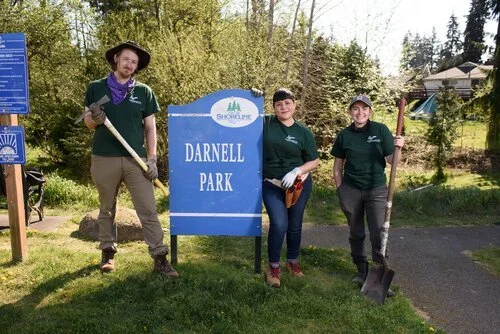
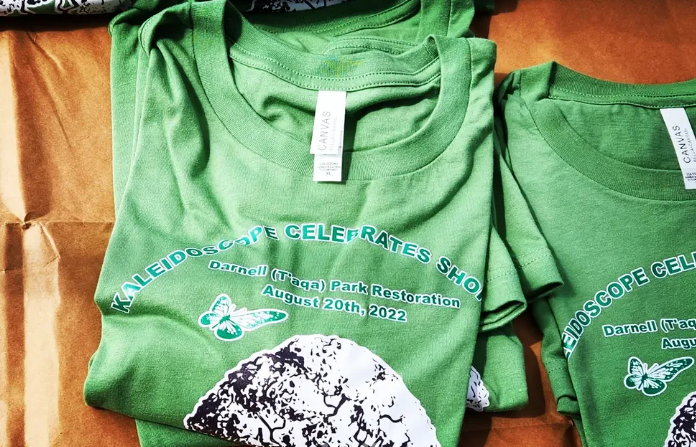
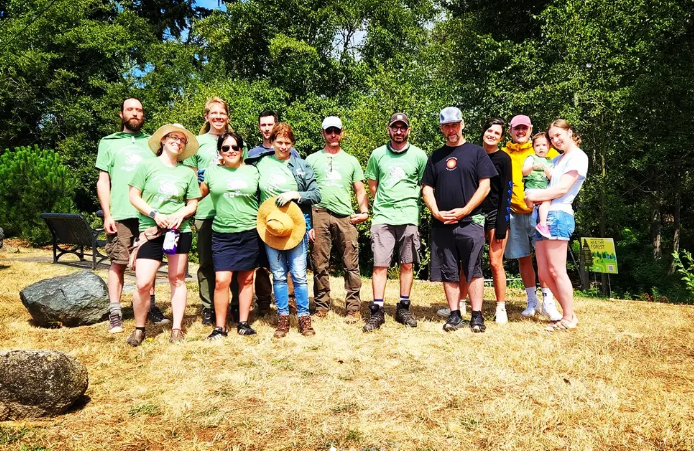
In 2021, that idea found a home at Darnell Park in Shoreline.
A Small Park with a Bigger Purpose

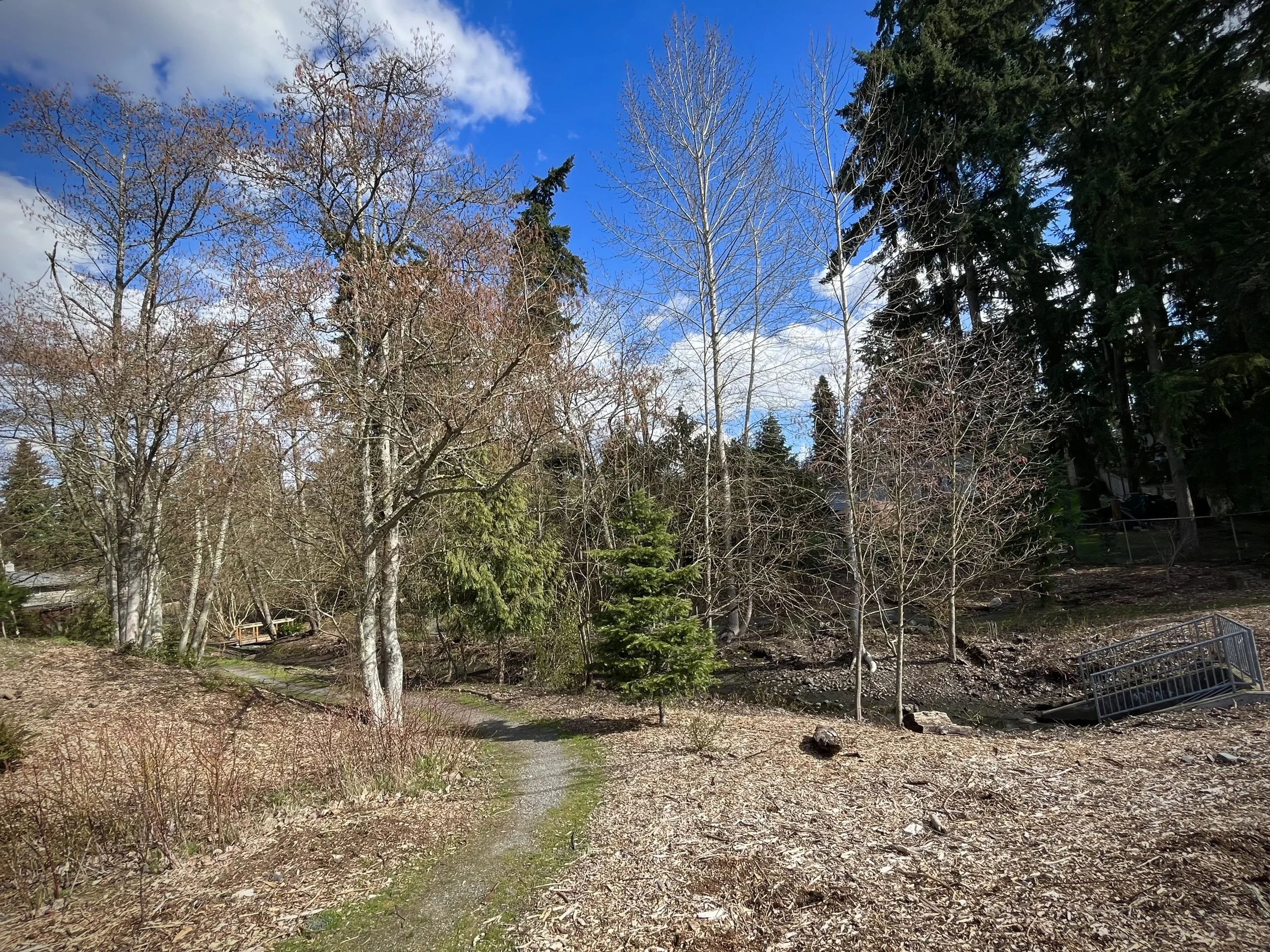
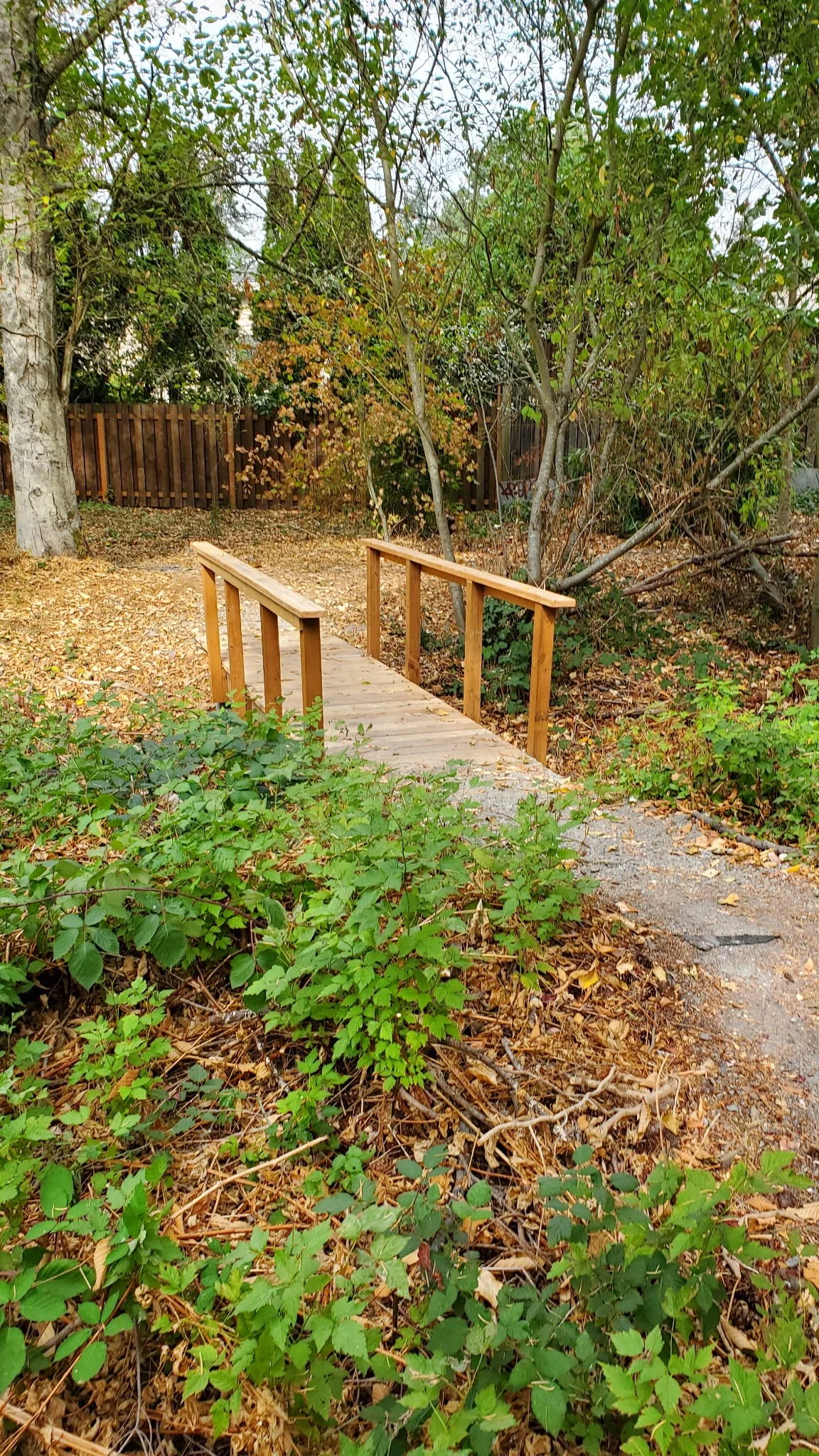
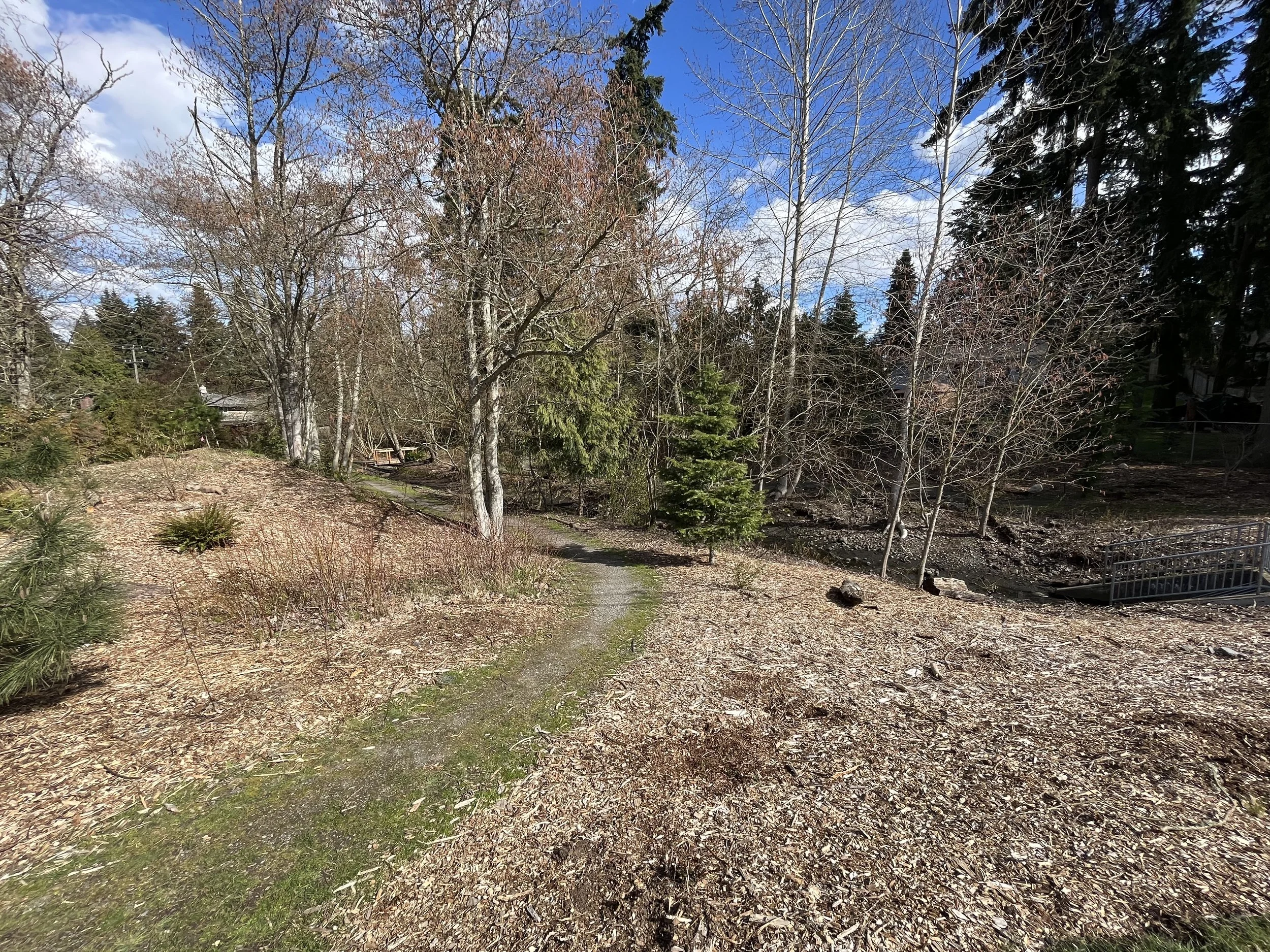
Located along the Interurban Trail in Shoreline, Darnell Park is more of an urban green space than a traditional park. It's part of the Boeing Creek watershed and an important patch of natural habitat within an increasingly developed landscape.

Through the efforts of our Training and Education Manager, Katie McGowan, Kaleidoscope connected with Kirk Peterson, Shoreline's Parks Superintendent, and Joseph Callaghan, the city's Urban Forester. Together, they found a place where our team could make a meaningful contribution.

Along the way, we affectionately gave the park a nickname of our own: t'aqa Park. The word t'aqa means salal, a native Pacific Northwest shrub familiar to anyone who has spent time in our region's forests. It seemed a fitting name for a place where we're working to restore the natural landscape.

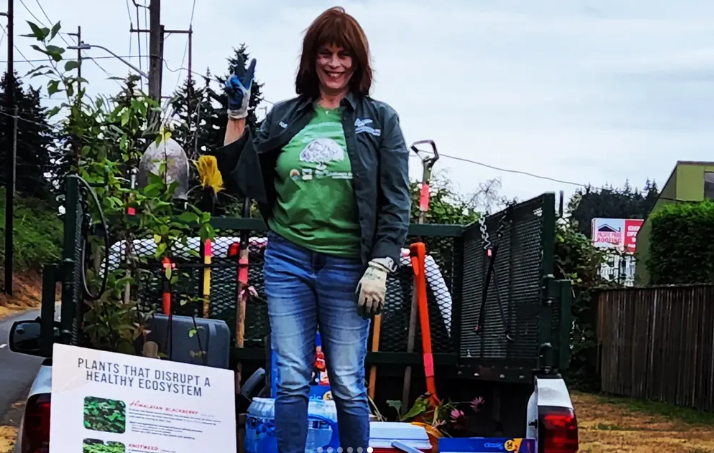
The work began with a familiar challenge in the Pacific Northwest: Himalayan blackberry.

Years of unchecked growth had allowed this aggressive invasive plant to spread through portions of the park, crowding out other vegetation and making it difficult for native plants to establish themselves.

There was plenty of work to do.
The Work of Restoration
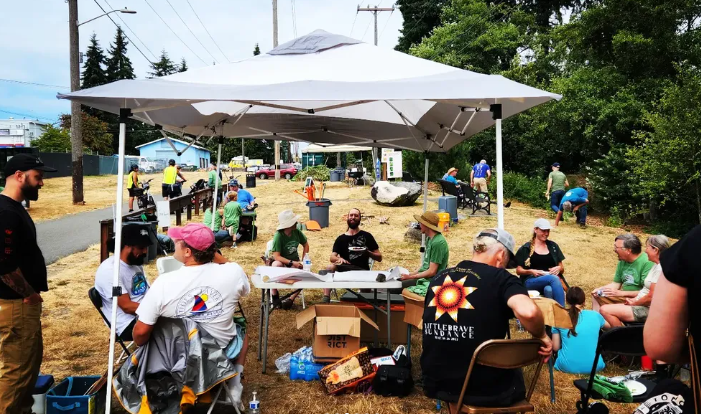
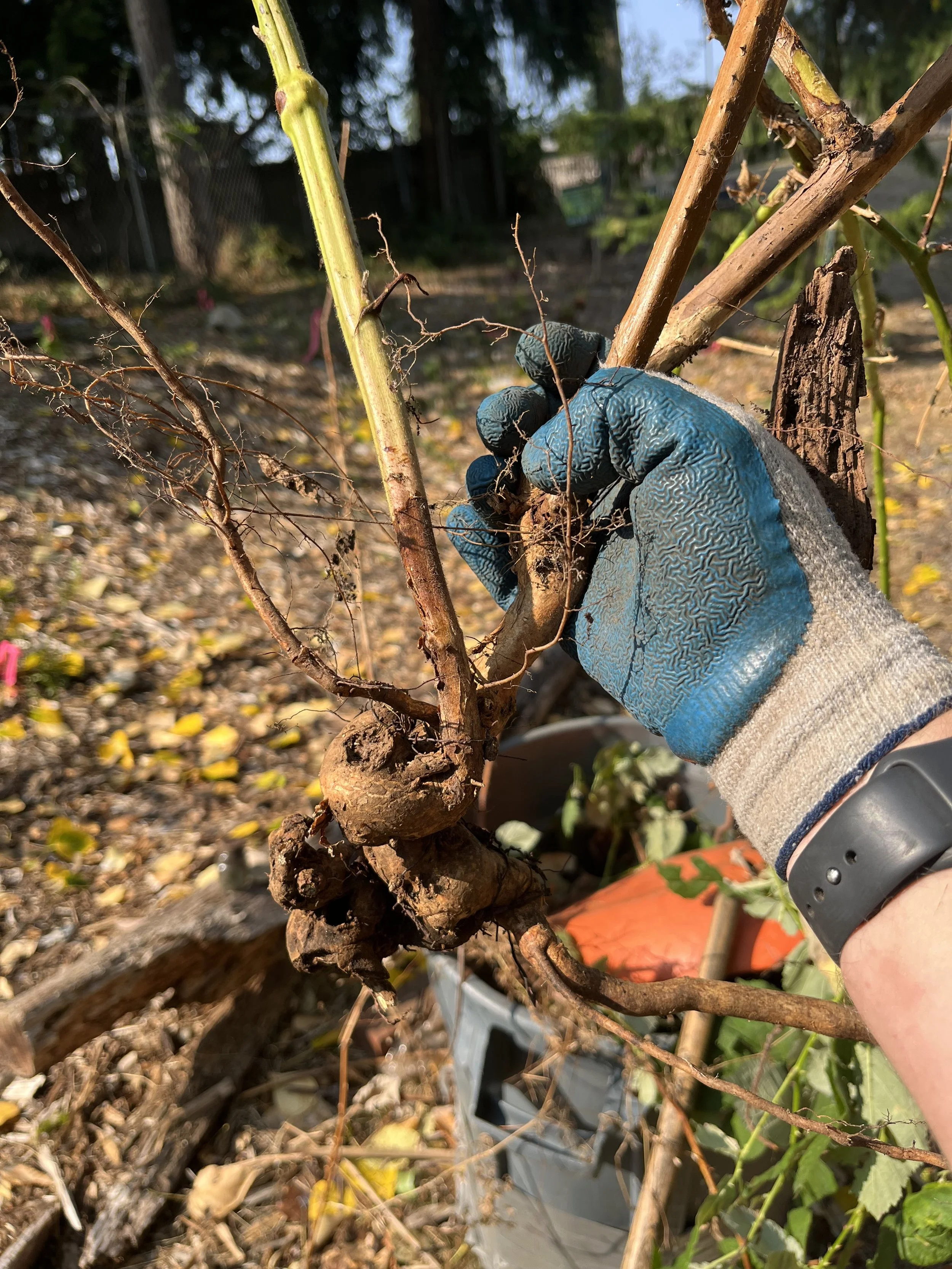
Our first visits focused on removing invasive blackberry along the western entrance of the park. It was demanding, hands-on work, clearing dense growth and digging out stubborn root crowns.

But anyone who has spent time battling Himalayan blackberry knows that cutting it down is only the beginning. Leave even a small piece of root behind, and there's a good chance you'll be seeing it again.

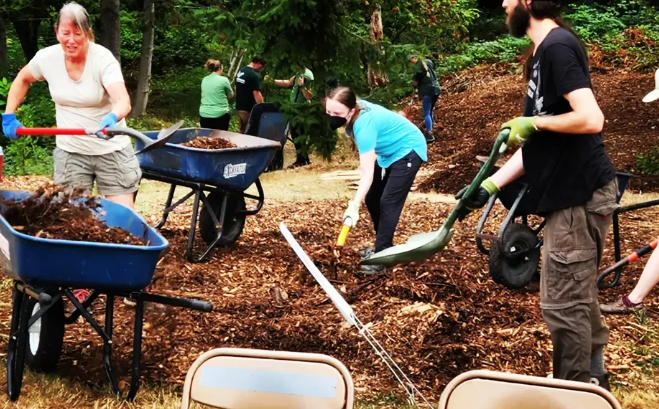
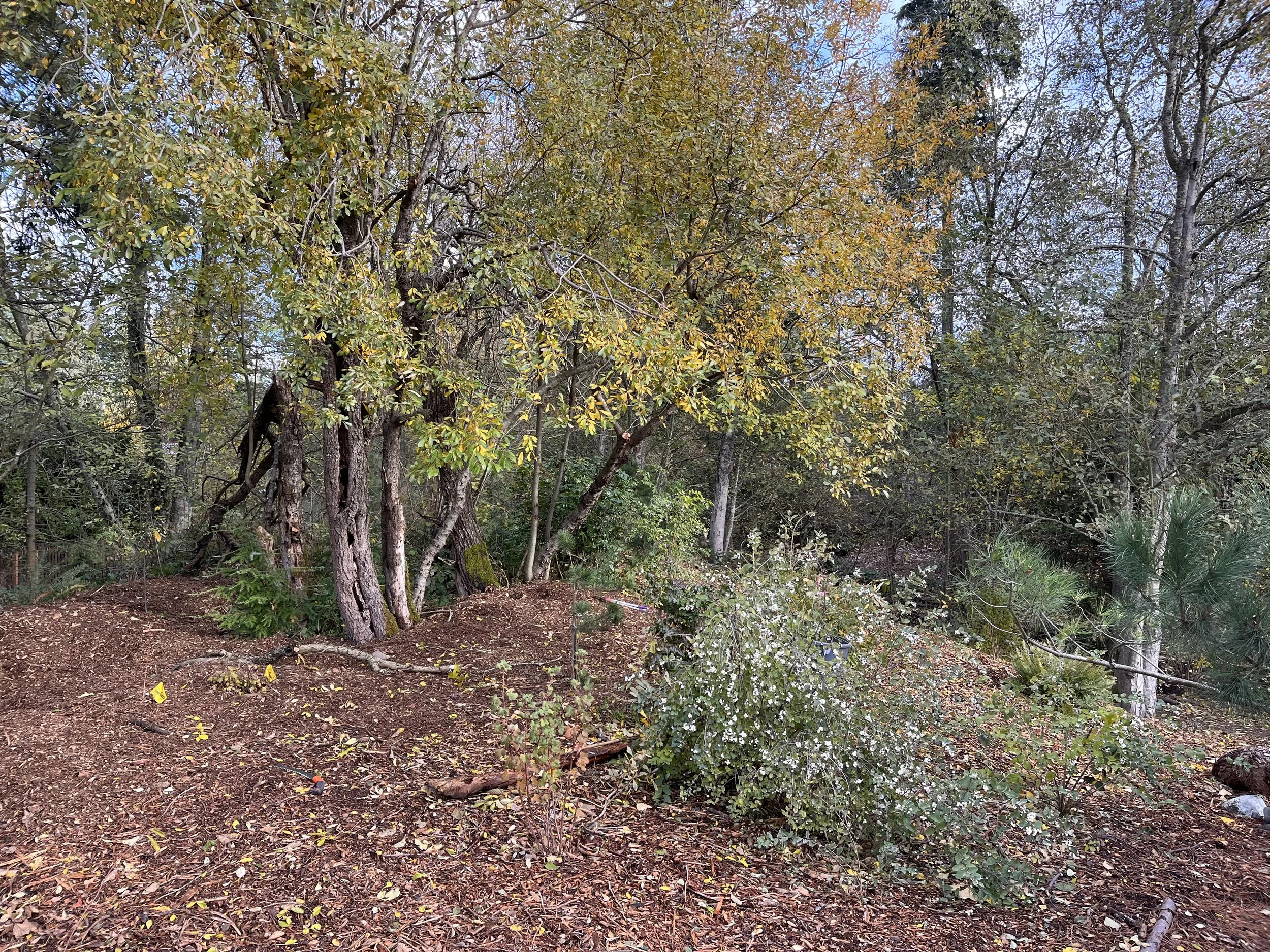
To help manage regrowth, our team began sheet mulching, laying down cardboard and covering it with a thick layer of bark mulch to suppress unwanted vegetation. Regular return visits became part of the plan, allowing us to monitor progress, address new growth, and gradually work our way into other areas of the park.

Restoration isn't always dramatic. There are no instant transformations or perfectly finished landscapes. Much of the work comes down to persistence, paying attention, and returning to do it again.

It's a process we understand well.
Learning by Doing

Darnell Park has also given our gardeners an opportunity to put their skills to work in a different setting.

Working in a natural area requires a different approach than maintaining a residential garden. The focus shifts from ornamental appearance to ecological health, native plant communities, and understanding how plants, soil, water, and wildlife work together.

It's an opportunity to learn, share knowledge, and develop a deeper appreciation for the natural landscapes that surround us.

And there's something rewarding about stepping away from the gardens we care for professionally and spending time improving a place that belongs to everyone.

The work may look a little different, but the principles are much the same: thoughtful care, good horticultural practices, and an understanding that healthy landscapes take time.
A Commitment That Continues
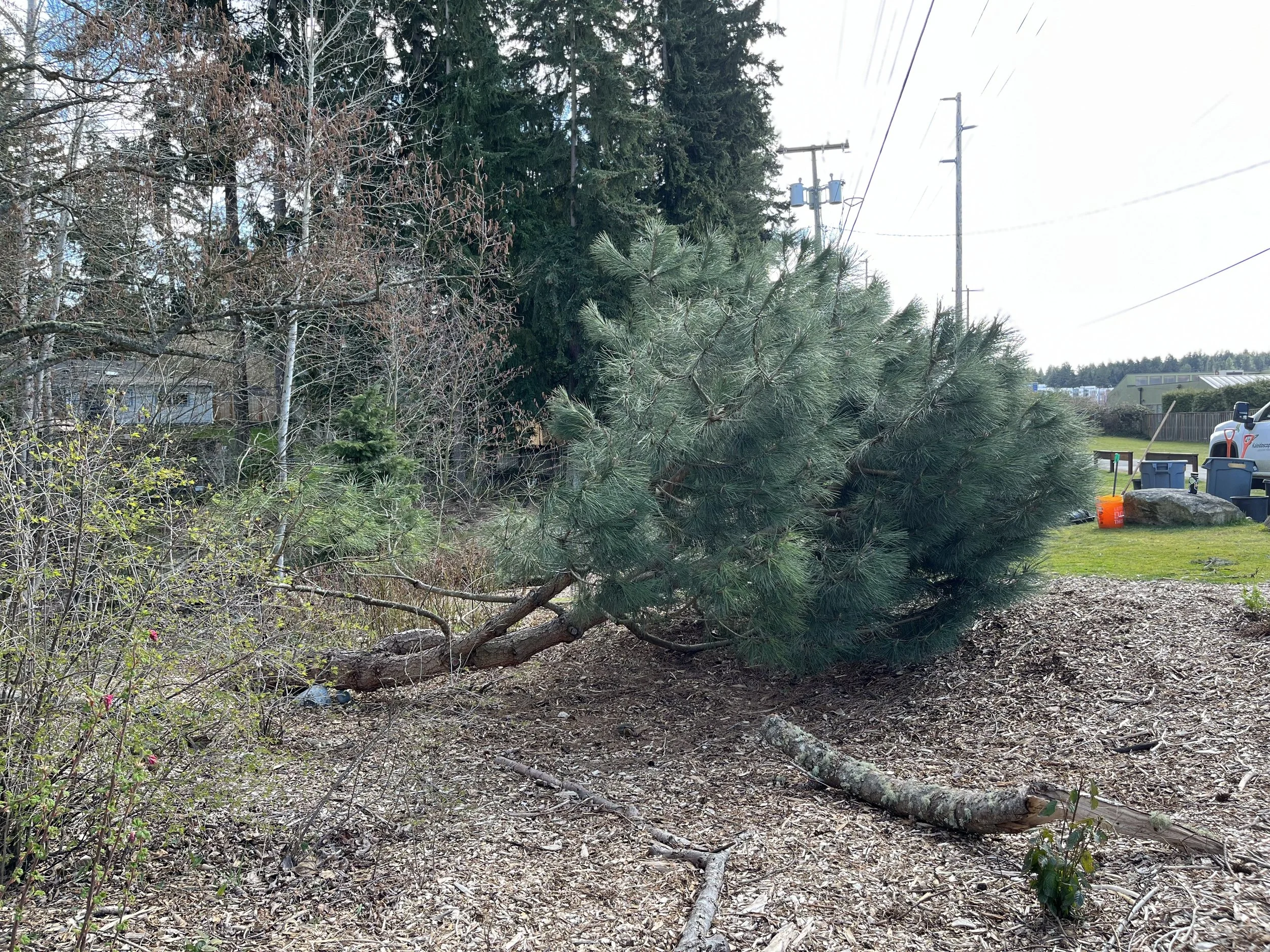
What began as an idea from George has grown into a partnership with the City of Shoreline and a commitment to caring for a small piece of our local environment.

Our hope for Darnell Park is simple: to help restore a healthier, more resilient natural space where native plants can thrive and the surrounding community can enjoy a bit of the Pacific Northwest's natural character.

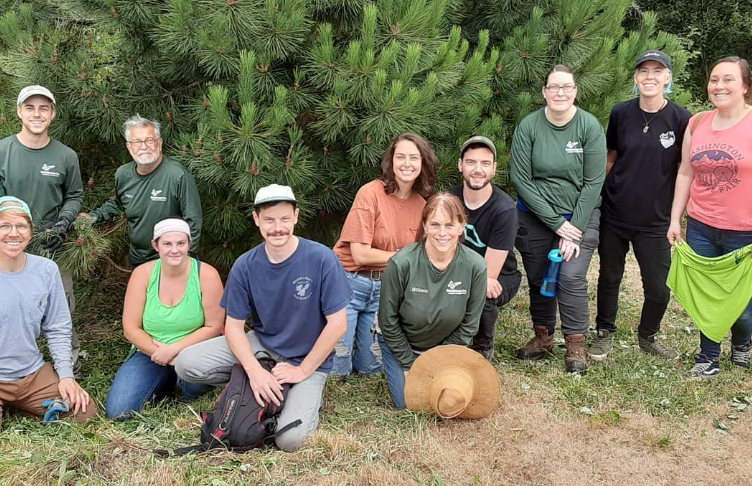
We're grateful for the opportunity to contribute, for the people who helped get the project started, and for the gardeners who have put in the time and effort along the way.

There's still work to do. There always will be.

And that's part of what makes stewardship worthwhile.